
- Aromas and flavors : apple, linden, almond, lemons, peaches, tropical fruit, fig, mineral, vanilla (from oak aging) and buttery (from malolactic fermentation)
- Low to medium acidity and dry
- AKA: Chablis, White Burgundy, Pouilly-Fuisse, Meursault, Montrachet, Anjou (Loire), Saumur (In Australia sometimes misnamed “pinot chardonnay”)
- Most famous grape-variety throughout the world
- Name is borrowed from a village of the region of Macon (Burgundy)
- In the Chablis region of France(northern most section of Burgundy), it is the only grape permitted and it renders a “crisp, flinty” wine with lime and tropica fruits (and no oak)
- In the Meursault appellation (in Cote de Beaune, Burgundy), chardonnay takes on a lush, ripe, “fleshy”, “buttery” quality and ususally placed on oak
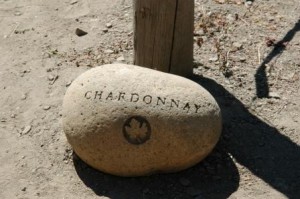
- One of the main varieties used Champagne, as well as other sparkling wines.
- In The Champagne region, Chardonnay vinified on its own is called “Blanc de Blanc”
- Chardonnay are among the best white wines, thick and delicate, traditionally dry
- Depending on origin some of them can be aged for several years
- Chardonnay grows in most wine producing countries throughout the world
- Oak commonly takes over Chardonnay if the wine is fermented or aged in new barrels or for too long in seasoned ones
- Winemakers like it so much because it is the “blank slate” of white wines
- Chardonnay readily absorbs the influences of both vinification technique and appellation of origin
- Different wine making techniques also produce wide variances in the Chardonnay flavor profile ( barrel fermentation, proportion of new to old cooperage, lees stirring, and partial, complete, or prevention of malolactic fermentation)
The Tasting Room
COMMING SOON !!
Link to Tasting Room Events (Page)
Pay Pal button to purchase ticket
Educational Classes, Guided Tastings, Wine Sales
 Masters of Wine
 Wine and Spirits Education Trust